When it comes to head injuries, the terms traumatic brain injury (TBI) and concussion are often used interchangeably, but they’re not quite the same thing. While both involve injury to the brain, the extent and severity can vary greatly.
A Concussion is a mild form of TBI, typically causing temporary symptoms like headaches, dizziness, and confusion, and usually improving with rest. Concussions are typically caused by a blow to the head, leading to temporary brain disruption.
On the other hand, Traumatic Brain Injury (TBI) can range from mild to severe, potentially leading to long-term cognitive, motor, or emotional problems depending on the extent of the injury.
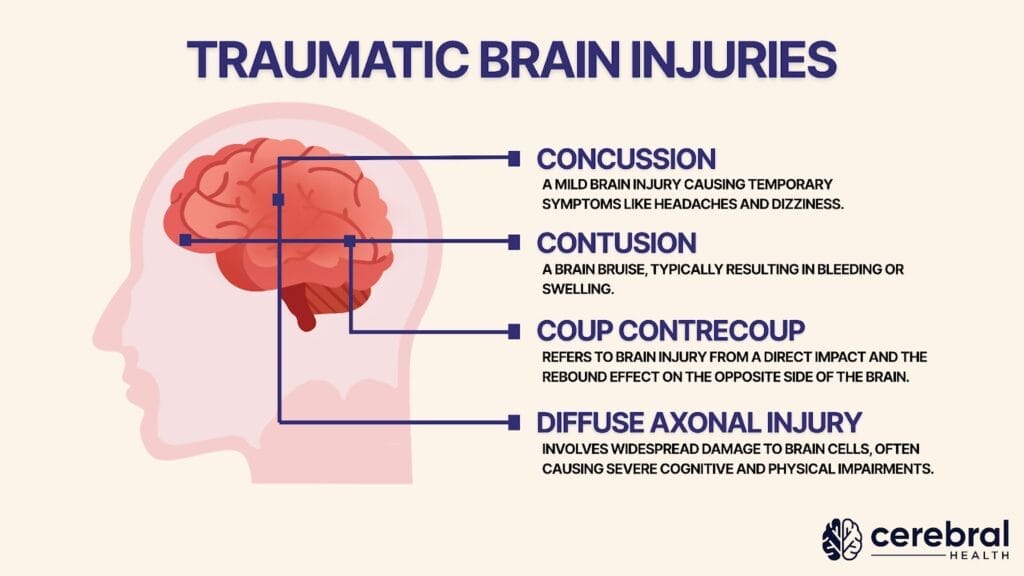
While concussions usually heal with time, more serious TBIs can cause permanent brain damage and require extensive treatment. Concussions, along with other brain injuries like contusions, coup contrecoup injuries, and diffuse axonal injuries, all fall under the TBI category but vary in severity. Recognizing these differences is vital for obtaining the appropriate treatment and supporting a full and safe recovery.
This blog will highlight the differences between concussions and more severe TBIs, focusing on their symptoms and recovery.
Connect with us and book your complimentary consultation at Cerebral Health. Get expert care from our experienced doctors today!

What is a Traumatic Brain Injury?
A traumatic brain injury (TBI) is a type of brain injury caused by a sudden blow, bump, jolt, or penetrating injury to the head that disrupts how the brain works. It can happen in car crashes, falls, sports accidents, assaults, or any event where the head or body is hit with force.
TBI is an umbrella term that covers many kinds of injuries to the brain, from mild concussion to severe brain damage with bleeding, swelling, or bruising of brain tissue. Symptoms can affect thinking, memory, mood, sleep, and movement, and they may appear right away or develop over time. Because every brain and every injury is different, TBIs can look very different from person to person, and proper medical assessment is important even if the injury seems mild at first.
Symptoms of TBI
- Headache
- Dizziness or balance issues
- Nausea or vomiting
- Fatigue
- Blurry or double vision
- Sensitivity to light/noise
- Confusion or memory problems
- Mood changes (irritable, anxious)
- Sleep issues (too much or too little)
Serious signs of a TBI (seek emergency care):
- Worsening headache
- Repeated vomiting
- Trouble waking up
- Weakness or numbness
- Seizures
- Slurred speech or confusion
What is a Concussion?
A concussion is a mild traumatic brain injury, typically caused by a blow to the head or body. It usually results in temporary symptoms and often improves with rest, although sometimes symptoms will persist, despite following doctor’s recommendations.
Symptoms:
- Headaches
- Dizziness or balance problems
- Nausea or vomiting
- Sensitivity to light or noise
- Confusion or feeling “foggy”
- Difficulty concentrating
- Memory problems
- Fatigue
Other types of Traumatic Brain Injuries
Contusion
A contusion is a bruise on the brain, often caused by a direct impact. This injury can lead to bleeding or swelling in the brain.
Symptoms:
- Headaches
- Loss of consciousness
- Weakness or numbness in limbs
- Trouble speaking or understanding speech
- Memory loss
- Dizziness or balance issues
- Emotional or behavioral changes
- Seizures (in severe cases)
Coup Contrecoup Injury
This injury occurs when the brain is struck by an impact on one side (coup) and then rebounds, hitting the opposite side of the skull (contrecoup). It can cause damage at both sites.
Symptoms:
- Headaches
- Loss of consciousness
- Confusion
- Memory problems
- Difficulty moving or controlling limbs
- Dizziness or vertigo
- Vision problems
- Cognitive or behavioral changes
Diffuse Axonal Injury
Diffuse Axonal Injury is caused by a severe shaking or rotational injury that tears the brain’s long connecting fibers (axons), leading to widespread brain damage. This type of injury can cause significant cognitive and physical impairments.
Symptoms:
- Loss of consciousness (often prolonged)
- Severe cognitive impairment
- Inability to move or feel limbs (paralysis)
- Difficulty with speech or communication
- Memory loss
- Behavioral and personality changes
- Respiratory problems or irregular heart rate
- Coma (in severe cases)
Risk Factors of Traumatic Brain Injuries (TBIs)
- Fall Risks in Children and Seniors:
One of the biggest culprits, especially in young kids and older adults. A simple slip or trip can lead to anything from a concussion to a serious brain injury. Staying mindful of your surroundings can go a long way in preventing these.
- The Dangers of Motor Vehicle Accidents:
Car crashes are a leading cause of TBI, whether you’re in the driver’s seat or a pedestrian. The force of a collision can cause everything from mild concussions to life-threatening brain damage. Always buckle up, drive carefully, and stay focused behind the wheel.
- If You are an Athlete:
Contact sports like football and soccer put athletes at high risk for brain injuries. A powerful hit to the head can lead to concussions or more severe damage. Proper gear and good technique are key to minimizing risks.
- Workplace Hazards Leading to TBIs:
Construction sites, factories, and other high-risk work environments see their fair share of TBIs. Falling objects, slips, and machinery accidents can cause serious head injuries. Wearing protective gear and following safety protocols are essential to avoid accidents.
- Recreational Risks
Fun activities like biking, skateboarding, or even hiking come with risks. A fall or collision can quickly lead to a TBI. Wearing a helmet and staying aware of your surroundings can help reduce the chances of injury.
- The Impact of Explosions and Blasts on the Brain:
Military personnel and those near explosions face the risk of TBI even without direct impact to the head. The shockwave from a blast can cause concussions or worse, which is why safety measures are crucial in high-risk zones.
- The Risk of Electric Shocks or Lightning Strikes:
Lightning or electric shock can cause serious brain injuries due to the massive force on the body. While rare, the impact can be life-changing and is often linked to other severe injuries.
Explore TBI and Concussion Treatment Options at Cerebral Health
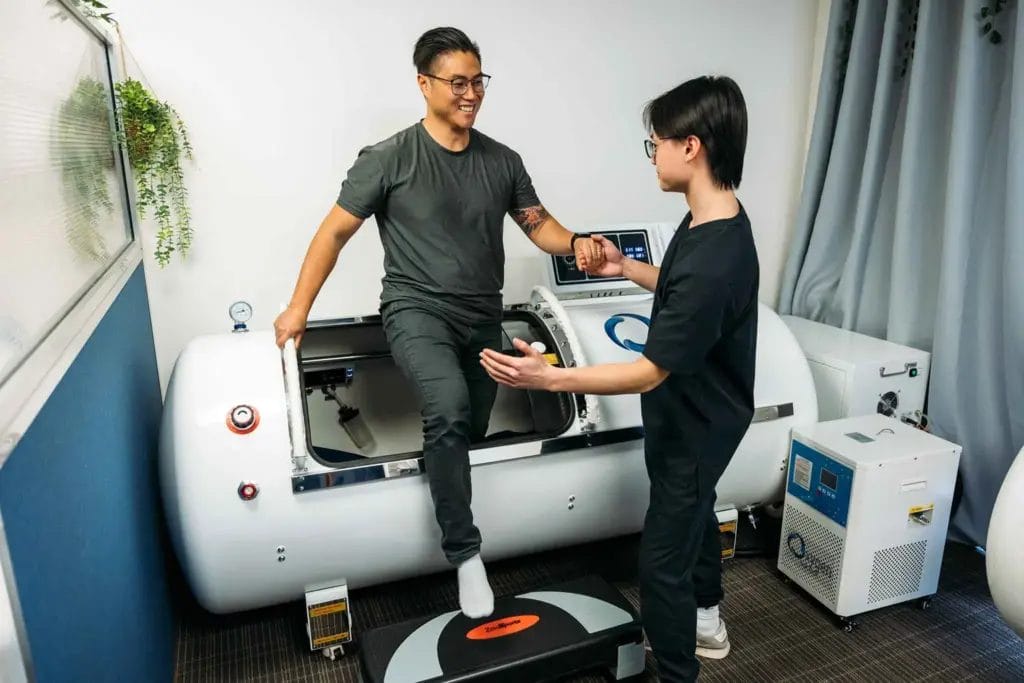
At Cerebral Health, we offer personalized, holistic treatments for traumatic brain injury (TBI) and Concussion, tailored to meet the unique needs of each patient. Our approach combines neurology, vision therapy, and vestibular rehab to address the complex effects of TBI/Concussion, ensuring a comprehensive recovery process.
Whether you’re struggling with headaches, memory issues, or balance problems, our team at Cerebral Health is here to help you regain control of your life. Don’t wait – explore our TBI treatment options today and start your journey toward healing. Learn more and schedule a complimentary consultation here.

Image source. Motor vehicle accidents are a major cause of Traumatic Brain Injury (TBI), often leading to severe brain damage. Understanding the risks and taking safety precautions can help reduce the likelihood of these life-changing injuries.
Other TBI Resources:
Research on cognitive decline, dementia and traumatic brain injury
This article explores the connection between TBI and cognitive issues, including links to Alzheimer’s and dementia. Repeated brain injuries, especially in contact sports, can lead to Chronic Traumatic Encephalopathy (CTE), while moderate to severe TBIs increase the risk of dementia.
Pediatric Traumatic Brain Injury
This article highlights the impact of TBI on children, particularly how concussions can lead to long-term issues. It stresses the role of speech-language pathologists and audiologists in recovery, especially in school settings.
Traumatic brain injury diagnosis
TBI diagnosis uses the Glasgow Coma Scale to assess severity. Mild TBIs often require rest, while severe cases may need emergency care and surgery. Rehabilitation, involving a multidisciplinary team, is key for recovery, along with ongoing support and research.
Take the next step with Cerebral Health—Schedule your complimentary consultation today!