Sensory mismatch is a key concept in the complex world of neurological health, and understanding how our senses communicate with our brain is crucial, especially when it comes to issues like dizziness and discomfort. Many people experience these symptoms but may not realize that they could be the underlying cause. This phenomenon, often linked to neurological disorders, can significantly affect one’s quality of life. In this blog, we’ll explore the theory behind sensory mismatch, its connection to dizziness, and potential treatments available to those struggling with this issue in San Jose, CA.

Dr. Minh Tran is the owner and clinic director of Cerebral Health and has over 15 years of experience in treating complex neurological conditions. He specializes in neurological rehabilitation, vestibular rehabilitation, and metabolic strategies to restore his patients’ health in the shortest time possible. Dr. Tran is a board-certified Diplomate of the American Chiropractic Neurology Board (DACNB) and is pursuing his Fellowship in Traumatic Brain Injury and Rehabilitation (FABBIR). His approach to concussion care focuses on identifying the root cause and providing personalized treatment plans to improve the well-being of his patients. He has worked extensively with individuals recovering from post-concussion syndrome, dizziness, and migraines.
What is Sensory Mismatch?
Refers to the discrepancy between sensory information from different sources that the brain is unable to properly reconcile. Our senses—sight, hearing, touch, and balance—work together to form a clear perception of the world around us. When these signals don’t align, it can result in confusion, disorientation, and even dizziness. Sensory mismatch can occur due to various factors, including vestibular disorders, neurological conditions, or even something as simple as motion sickness.
Sensory Mismatch Theory: How It Impacts the Brain
This theory explains how our brain processes conflicting sensory signals. For instance, if you’re watching a video with rapid movement but your body remains still, your brain detects a mismatch between what your eyes are seeing and what your inner ear (responsible for balance) is feeling. This misalignment can trigger symptoms like nausea, dizziness, or a sensation of spinning, commonly known as vertigo.
In individuals with neurological conditions, this sensory mismatch can be even more pronounced. The brain struggles to process conflicting sensory information, leading to more severe symptoms. Over time, this can have a significant impact on daily activities, work, and social interactions.
Dizziness and Sensory Mismatch: A Common Link
Dizziness and sensory mismatch are often closely linked. When the brain receives conflicting signals from the senses, it can struggle to maintain balance and orientation. This can lead to a wide range of symptoms, from lightheadedness to full-blown vertigo. People suffering from this may feel unsteady on their feet, struggle to focus, or experience a sense of disorientation.
Conditions like vestibular neuritis, Meniere’s disease, and migraine-associated dizziness are known to cause sensory mismatch, leading to recurring episodes of dizziness. These conditions disrupt the normal functioning of the balance system, which is responsible for maintaining equilibrium.
Sensory Mismatch and SVM (Sensory Mismatch Vestibular) Disorders
The term SVM sensory mismatch refers specifically to the vestibular system’s involvement in sensory mismatch. The vestibular system, located in the inner ear, is responsible for helping us maintain balance and spatial orientation. When this system is disrupted, it can cause sensory mismatch and lead to dizziness, vertigo, and nausea.
People living with SVM sensory mismatch disorders often struggle with their day-to-day lives due to the unpredictability of their symptoms. The brain’s inability to integrate sensory information from the vestibular system can cause a constant sense of imbalance. This makes it difficult to participate in activities that were once simple, such as walking or driving.
Sensory Mismatch Treatment Options
If you are struggling with dizziness and sensory mismatch in San Jose, CA, there are treatment options that can help restore balance and improve quality of life. Let’s take a look at some of the most effective treatments for sensory mismatch:
1. Neurological Rehabilitation
At Cerebral Health, we specialize in neurological rehabilitation, offering a range of therapies designed to help individuals manage sensory mismatch symptoms. By addressing the root causes of sensory dysfunction, our treatments can help recalibrate the brain’s response to conflicting sensory information. Our personalized therapy plans ensure that each patient receives the right treatment for their specific condition. Learn more about neurological rehab at Cerebral Health.
2. Immersive Program for Sensory Mismatch
For those suffering from sensory mismatch disorders, an immersive program might be the answer. These programs use virtual reality and specialized equipment to stimulate the brain in a controlled way, helping patients retrain their balance systems and improve sensory processing. If you are in San Jose, consider our Immersive Program, which has helped many patients regain a sense of balance and reduce dizziness. Find out more about our immersive program.
3. Hyperbaric Oxygen Therapy (HBOT)
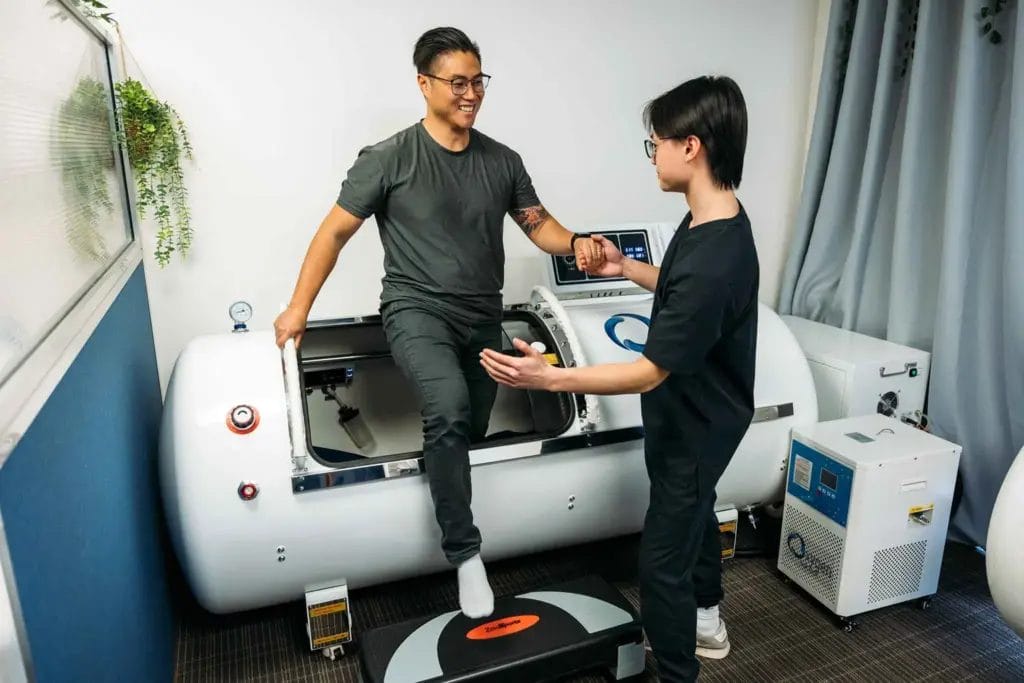
Hyperbaric Oxygen Therapy is a non-invasive treatment that increases the amount of oxygen your body absorbs, promoting healing at the cellular level. For individuals with neurological conditions causing sensory mismatch, HBOT can be beneficial in reducing inflammation and improving brain function. Explore our HBOT services.
4. Pulsed Electromagnetic Field Therapy
PEMF Therapy involves the use of electromagnetic fields to promote healing and reduce symptoms of neurological disorders. This therapy helps to improve the brain’s ability to process sensory information and reduce the frequency of dizziness and vertigo episodes. Learn about PEMF therapy at MyCerebral.
Why Choose Us for Sensory Mismatch Treatment?
At Cerebral Health, we take a holistic and personalized approach to treating sensory mismatch and other neurological conditions. Our team of experts works with each patient to develop a treatment plan tailored to their specific needs. With cutting-edge therapies and a compassionate approach, we help you get back to living a balanced life. If you’re struggling with dizziness or sensory mismatch in San Jose, we invite you to learn more about our comprehensive treatment options. Why choose us?
Ready to Take the Next Step Toward Balance and Wellness?
If you’re tired of living with the uncertainty of dizziness and sensory mismatch, Cerebral Health is here to help you regain control. Our personalized treatments are designed to address your unique needs and get you back to feeling your best.
Don’t let dizziness hold you back any longer. Reach out today to schedule your consultation, and let us guide you through effective treatments that can make a real difference in your life. Take the first step toward a clearer, more balanced future with us at MyCerebral!
Contact Us Now and Start Your Journey to Relief
FAQs About Sensory Mismatch
1. What causes sensory mismatch?
Sensory mismatch occurs when the brain receives conflicting signals from different senses (e.g., visual, vestibular, and proprioceptive systems), leading to disorientation, dizziness, and nausea.
2. How is sensory mismatch treated?
Treatment can involve a combination of neurological rehabilitation, vestibular therapy, immersive programs, and therapies like hyperbaric oxygen therapy or PEMF therapy to retrain the brain and restore balance.
3. Can sensory mismatch be cured?
While there may not be a “cure” for sensory mismatch, effective treatment can significantly reduce symptoms and improve quality of life by addressing the underlying neurological issues.
4. How do I know if I have a sensory mismatch?
If you frequently experience dizziness, vertigo, or a sense of imbalance, it may be a sign of sensory mismatch. A consultation with a healthcare professional can help determine the cause.
By understanding sensory mismatch and its effects on neurological health, you can take proactive steps to address it. With the right treatments and therapies, you can reduce symptoms of dizziness and reclaim your life. Visit Cerebral Health today to learn more about our services and how we can help you regain balance.