Concussions are more than just a bump on the head — they’re a form of traumatic brain injury that can disrupt how your brain processes sensory signals. When this processing goes awry, individuals often experience sensory mismatch after concussions, a condition that can lead to dizziness, imbalance, vertigo, and a diminished quality of life. In this article, we’ll explore what sensory mismatch is, how concussions cause these symptoms, and what treatment options are available in San Jose.
What Is a Concussion?
A concussion happens when the brain is jolted or shaken within the skull — often due to a fall, impact, or rapid motion — disrupting normal neurological function. While some symptoms appear immediately, others, such as dizziness, vision issues, and sensory disturbances, may linger for days, weeks, or even longer. Common concussion symptoms include dizziness, blurred vision, headaches, and cognitive and emotional changes. Learn more about concussion basics at Concussion.
What Is Sensory Mismatch?
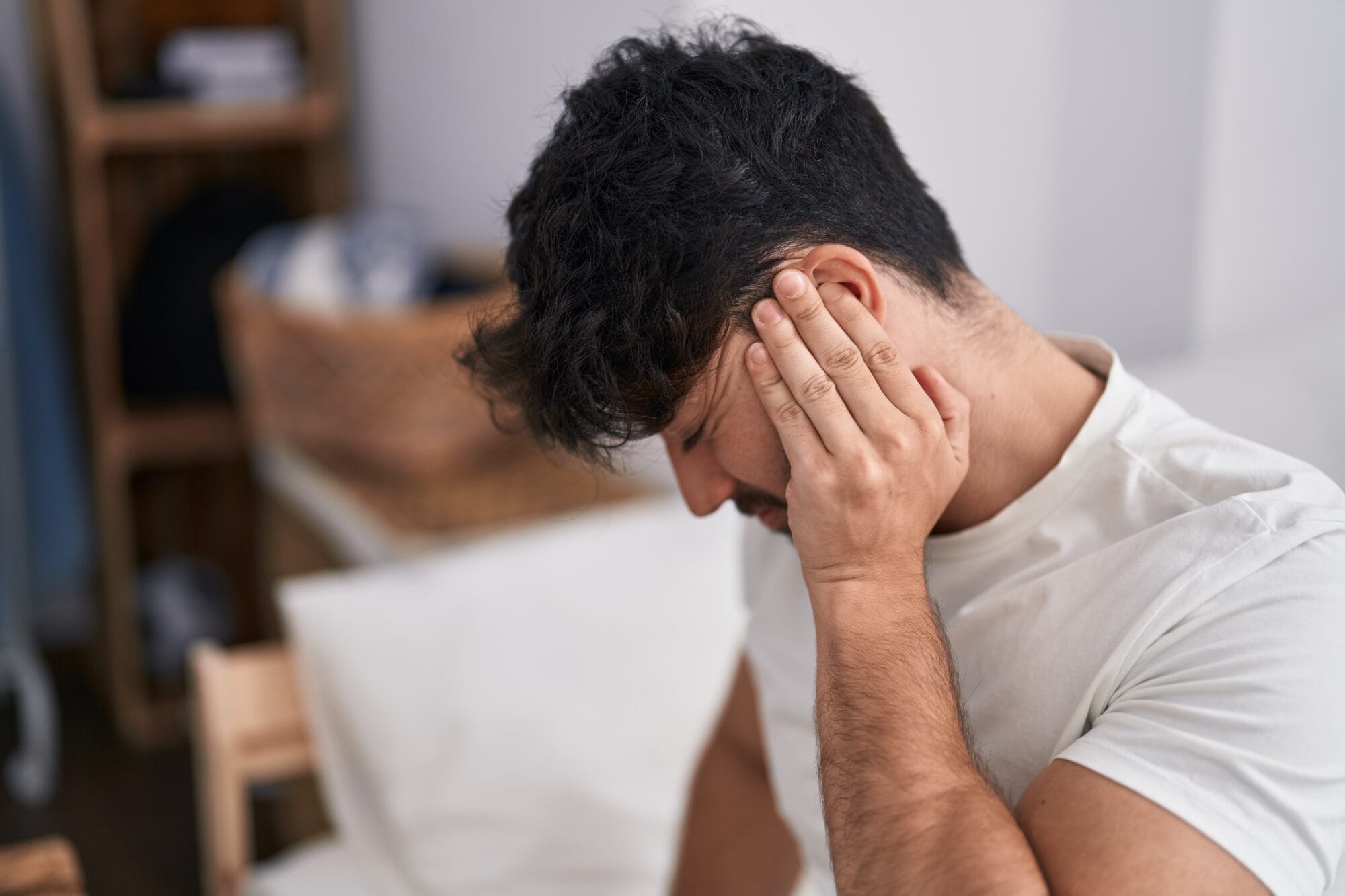
Sensory mismatch occurs when the brain receives conflicting information from different sensory systems — such as sight, balance (vestibular), and proprioception (body awareness). Under normal conditions, these systems work together to help you understand where you are in space. After a concussion, however, the brain can struggle to integrate these inputs correctly.
This mismatch can lead to:
- Dizziness or vertigo
- Unsteady balance
- Nausea or motion sensitivity
- Difficulty focusing or disorientation
People with sensory mismatch may feel fine one moment and suddenly overwhelmed by motion or visual input the next. This dissonance between sensory signals and brain interpretation is especially common in individuals with post‑concussion symptoms.
How Concussion Leads to Sensory Mismatch
When the brain experiences trauma, like a concussion, neural pathways responsible for sensory integration can be impaired. This means:
- Signals from the eyes may not align with signals from the inner ear (vestibular).
- Proprioceptive feedback (from joints and muscles) might be misinterpreted.
- Resulting sensory conflict triggers dizziness and imbalance.
Research shows that disrupted sensory integration is a key contributor to motion sensitivity and visual‑vestibular symptoms post‑concussion.
Symptoms of Sensory Mismatch
Symptoms can vary widely but commonly include:
- Persistent dizziness or vertigo
- Feeling unbalanced or “off‑center”
- Nausea or motion sensitivity
- Difficulty concentrating in busy visual environments
- Triggered by crowds, movement, or rapid visual changes
If these symptoms persist after a head injury, it may indicate sensory mismatch related to concussion. Seeking specialized care early can dramatically improve outcomes.
Proper diagnosis is essential, as facial pain can have many causes, including dental problems, migraines, or other neuropathic conditions.
Treatment Options for Sensory Mismatch in San Jose, CA
If you’re experiencing sensory mismatch after a concussion in San Jose, there are effective treatment pathways designed to help your brain recalibrate and restore balance.
1. Neurological Rehabilitation
Focused rehab helps retrain the brain’s ability to integrate sensory information properly. Specialized therapy plans address the root causes of dysfunction, moving beyond symptom management toward real recovery.
Learn more at Neurological Rehabilitation.
2. Immersive Program for Sensory Mismatch
These programs use advanced technology like virtual reality to stimulate and retrain sensory systems in a controlled environment. This can improve balance, spatial awareness, and sensory processing.
Discover more at Immersive Program.
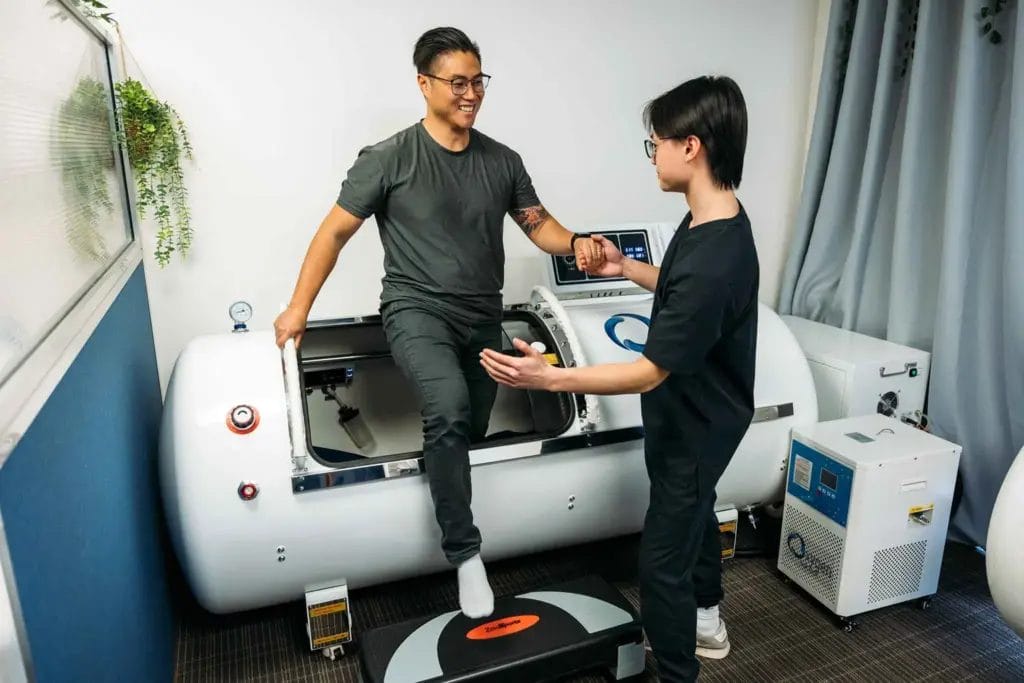
3. Hyperbaric Oxygen Therapy (HBOT)
HBOT increases oxygen delivery to brain tissue, which can reduce inflammation and support neural healing — an asset in managing neurological symptoms following concussion.
Explore Hyperbaric Oxygen Therapy (HBOT).
4. Pulsed Electromagnetic Field (PEMF) Therapy
PEMF therapy uses electromagnetic fields to support cellular repair and improve brain function, helping your nervous system handle sensory input more effectively.Learn about Pulsed Electromagnetic Field therapy.
Why Specialized Care Matters
Addressing sensory mismatch after a concussion isn’t one‑size‑fits‑all. Working with a specialized team ensures you get:
- Personalized treatment plans
- Access to advanced therapies
- Focus on long‑term neurological health
At Cerebral Health, the goal is to restore balance, improve sensory integration, and help patients return to daily life with confidence.
Next Steps in Treating Sensory Mismatch After Concussions
If you’re dealing with lingering dizziness, imbalance, or sensory mismatch after a concussion, don’t wait. Early intervention with the right care can make all the difference.
Visit MyCerebral.com for comprehensive care and support on your journey to recovery.