Many people experience symptoms such as dizziness, brain fog, nerve pain, or balance problems without realizing these issues may be connected to the nervous system. These symptoms can affect daily life, productivity, and overall well-being. When neurological symptoms go unnoticed or untreated, they may worsen over time and lead to more serious health challenges.
Understanding how the brain and nervous system function can help patients recognize early warning signs and seek appropriate care. This awareness plays an important role in maintaining brain health and preventing long-term neurological complications. For patients searching for neurological health in San Jose, learning about neurological conditions, symptoms, and treatment options can help them make informed decisions about their care. Modern neurological therapies focus on identifying the root cause of dysfunction and supporting the brain’s natural ability to heal and adapt.
What Is Neurological Health?
Neurological health refers to the proper functioning of the brain, spinal cord, and nervous system. These systems control communication between the brain and the body, allowing us to move, think, feel, and respond to our environment.
When neurological health is balanced, signals travel efficiently through the nervous system. This allows muscles, organs, and cognitive processes to function normally.
The nervous system plays a role in many aspects of everyday life, including:
- movement and coordination
- memory and cognitive function
- emotional regulation
- sensory processing
- balance and posture
When the brain or nervous system experiences dysfunction, communication between the brain and body may become disrupted. This disruption can lead to symptoms such as pain, fatigue, cognitive issues, or balance problems.
Maintaining neurological balance helps protect overall health and supports optimal brain performance.

Common Neurological Conditions Affecting Patients
Neurological conditions can develop from injuries, chronic conditions, or disruptions in nervous system communication. These disorders can affect both physical and cognitive function.
Some of the most common neurological conditions include:
- Traumatic brain injury resulting from accidents or head trauma
- Stroke recovery challenges that impact movement and cognitive abilities
- Chronic neurological dysfunction affecting nerve signaling
- Sensory mismatch disorders that disrupt how the brain processes sensory input
- Peripheral neuropathy, which causes nerve damage and numbness
- Balance and coordination disorders that affect stability and mobility
Each condition may present different symptoms depending on the area of the brain or nervous system involved.
Understanding these conditions can help patients identify when neurological care may be necessary.
Symptoms That May Indicate Neurological Dysfunction
Neurological symptoms can appear gradually or suddenly. Some symptoms may seem minor at first but may indicate underlying nervous system dysfunction.
Common neurological symptoms include:
- chronic headaches
- dizziness or vertigo
- numbness or tingling in the limbs
- balance or coordination problems
- memory difficulties
- brain fog or mental fatigue
- muscle weakness
- nerve pain
These symptoms may develop when communication between the brain and body becomes disrupted.
Recognizing neurological symptoms early allows patients to seek professional evaluation and begin appropriate treatment.
How Neurological Evaluations Identify Root Causes
A neurological evaluation focuses on identifying the underlying causes of nervous system dysfunction. Healthcare professionals use specialized assessments to evaluate how the brain communicates with the body.
A comprehensive neurological evaluation may include:
- neurological exams
- brain function testing
- motor control assessments
- sensory response testing
- cognitive function evaluations
These assessments help clinicians identify patterns of dysfunction and determine the most effective treatment strategies. Many neurological clinics utilize specialized diagnostic processes such as a neurological evaluation through a neurorestoration exam to analyze nervous system performance and identify areas requiring rehabilitation.
Advanced Brain Function Testing
Advanced neurological testing allows clinicians to evaluate brain activity, reflex responses, and neurological coordination. These tests help determine how different regions of the brain communicate with the body.
By identifying disrupted neurological pathways, clinicians can design targeted therapies that support neurological recovery.
Sensory Mismatch and Neurological Imbalance
Sensory mismatch occurs when the brain receives conflicting information from different sensory systems such as vision, balance, and body awareness.
When these signals fail to align properly, patients may experience dizziness, instability, or cognitive difficulties.
Understanding sensory mismatch helps clinicians develop therapies that retrain the brain to process sensory input correctly.
Personalized Neurological Assessment
Every patient’s neurological condition is unique. A personalized neurological assessment allows clinicians to identify the specific neurological patterns contributing to symptoms.
By evaluating movement patterns, sensory responses, and cognitive function, healthcare professionals can create customized treatment plans that address the root cause of dysfunction.
Developing Targeted Recovery Programs
Once neurological dysfunction is identified, treatment programs focus on improving brain function and restoring healthy nervous system communication.
These recovery programs may include neurological therapies designed to stimulate brain plasticity and promote long-term recovery.
Advanced Therapies That Support Neurological Recovery
Modern neurological treatments focus on stimulating the brain’s ability to adapt and heal through neuroplasticity.
Patients seeking neurological health in San Jose may benefit from advanced therapies designed to support neurological recovery, improve cognitive function, and restore healthy nervous system communication.
These therapies combine innovative technology with personalized rehabilitation programs to address neurological dysfunction at its source.
Neurological Rehabilitation Programs
Neurological rehabilitation programs focus on retraining the brain and nervous system to improve function and mobility.
Examples of neurological rehabilitation therapies include:
- motor retraining exercises that improve movement patterns
- balance therapy that restores stability and coordination
- cognitive rehabilitation that enhances memory and mental clarity
- neuroplasticity exercises that strengthen neural pathways
These therapies are often delivered through structured programs such as neurological rehabilitation programs or specialized treatment approaches like the immersive neurological program.
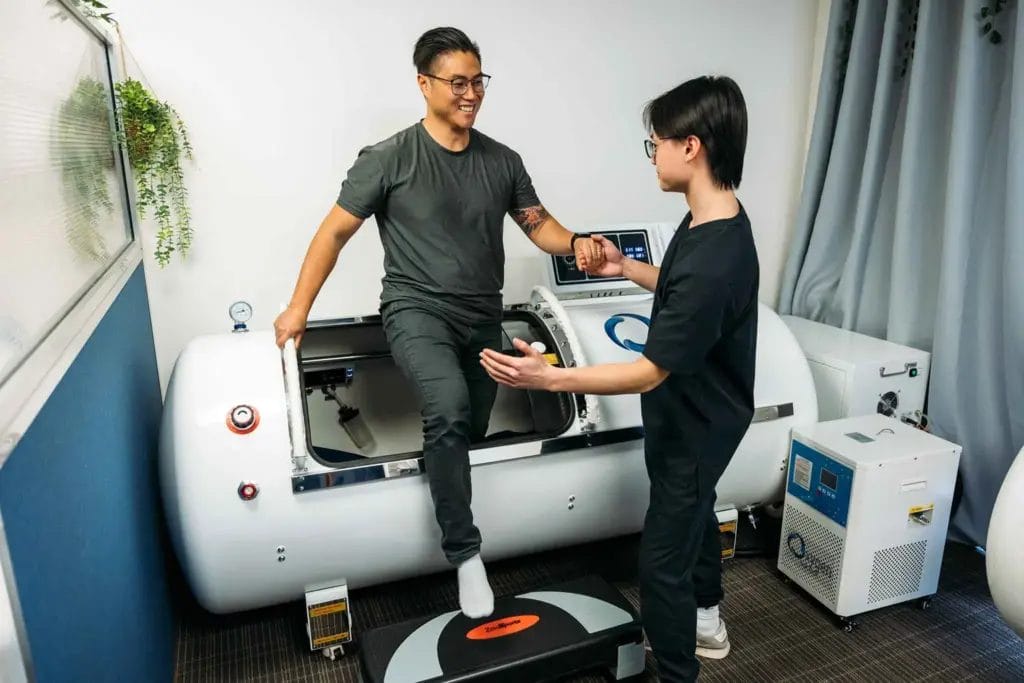
Hyperbaric Oxygen Therapy for Brain Healing
Hyperbaric oxygen therapy uses pressurized oxygen to increase oxygen delivery throughout the body, including the brain.
This therapy may help:
- deliver oxygen to damaged brain tissue
- improve blood circulation
- reduce inflammation
- support neurological recovery
Patients undergoing hyperbaric oxygen therapy may experience improvements in cognitive function, neurological healing, and overall brain performance.
Pulsed Electromagnetic Field Therapy for Neurological Function
Pulsed electromagnetic field therapy (PEMF) uses electromagnetic signals to stimulate cellular repair and improve nervous system function.
Benefits of PEMF therapy may include:
- enhanced cellular communication
- improved nerve repair processes
- increased circulation
- support for neurological recovery
This therapy is commonly used as part of comprehensive brain recovery therapies designed to restore neurological balance.ized treatment plans are essential.
Why Early Neurological Treatment Improves Outcomes
Early neurological treatment can significantly improve recovery outcomes. The brain has an incredible ability to adapt and reorganize through a process known as neuroplasticity.
When neurological dysfunction is identified early, treatment programs can help the brain rebuild healthy neural pathways.
Benefits of early neurological treatment include:
- faster neurological recovery
- improved brain plasticity
- prevention of long-term neurological damage
- enhanced cognitive and physical function
Patients who seek care early often experience better treatment success and improved quality of life.
Conclusion
Neurological health plays a critical role in how the body moves, thinks, and functions each day. When neurological dysfunction occurs, symptoms such as dizziness, nerve pain, cognitive issues, and balance problems can significantly affect daily life.
Recognizing neurological symptoms and seeking professional evaluation can help patients identify the underlying cause of their condition and begin appropriate treatment. For individuals looking to improve neurological health in San Jose, modern neurological therapies offer innovative treatment options that support brain recovery and nervous system function.
Start Your Brain Health Assessment Today!
If you are experiencing neurological symptoms or want to improve your brain health, the specialists at Cerebral Health provide advanced neurological evaluations and personalized treatment programs designed to support recovery and long-term neurological wellness.
FAQs
What is neurological health?
Neurological health refers to the proper functioning of the brain, spinal cord, and nerves that control movement, cognition, and communication throughout the body.
What conditions affect neurological health?
Conditions that affect neurological health include traumatic brain injuries, stroke recovery complications, peripheral neuropathy, sensory mismatch disorders, and chronic neurological dysfunction.
How does neurological rehabilitation work?
Neurological rehabilitation uses targeted therapies such as movement retraining, cognitive exercises, and balance therapy to help the brain rebuild neural pathways and restore proper nervous system communication.
What therapies help improve brain function?
Therapies that support brain recovery include neurological rehabilitation, hyperbaric oxygen therapy, pulsed electromagnetic field therapy, and neuroplasticity-based treatment programs.
When should I seek neurological care?
Patients should seek neurological care if they experience symptoms such as chronic headaches, dizziness, nerve pain, memory issues, or balance problems that interfere with daily activities.